
"aroma analysis"
2000 article(s) found

Analysis of coffee cup testing knowledge points: introduction of common terms in Chinese and English for coffee cup testing
When testing a cup of coffee, we should distinguish whether the flavor, alcohol thickness, acidity and wet aroma of the coffee are pleasant. Most cup tasters use the following criteria to judge coffee. While tasting the coffee, you should try to discern whether the flavor, body, acidity and aroma of the coffee is pleasant, or unplea

Step Analysis of roasting skills in Coffee roasting
Once the coffee seed is planted, no one can change its final quality. However, the color, aroma, bioactive components and health characteristics of coffee are related to the roasting process. During the roasting process, coffee is heated at 190-220 degrees for 7-20 minutes, which helps to bake out its aroma and good taste, and helps to form lactone, nicotinic acid and resistance.

Analysis of Cedamo Coffee Taste in the Coffee growing area of Sonana Village, Alxi District, Cedar Moses
Professional coffee knowledge exchange more coffee bean information please pay attention to the coffee workshop (Wechat official account cafe_style) Sidama Coffee (Coffee) is located in southern Ethiopia, the landscape is so varied that each town has its own unique and diversified coffee flavor. Shakisso is located in the Guji producing area of Xida Morri, southeast of Yejia Sheffei.
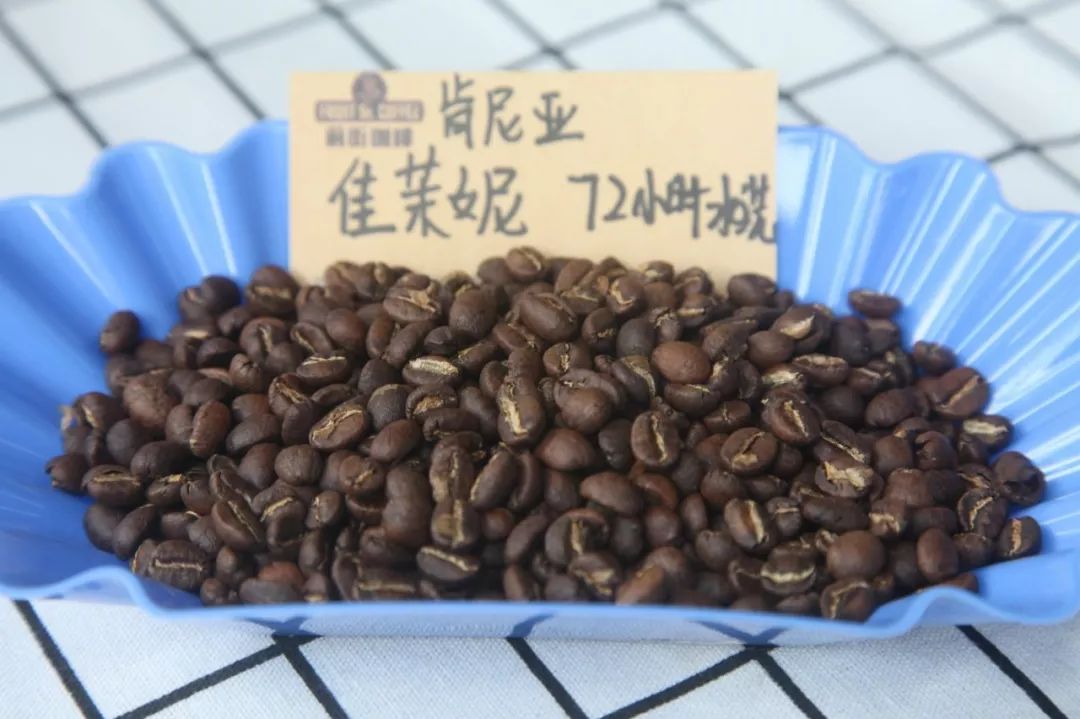
Orange-scented Kenyan Coffee [Kenya Jiamoni] story baking analysis and cooking suggestions
Professional coffee knowledge exchange more coffee bean information please follow the coffee workshop (Wechat official account cafe_style) [Kenya Jiamoni exquisite 72-hour washing] country: Kenya region: Kilinaga Kirinyaga altitude: 1700-1800m soil: volcanic soil species: sl-28,sl-34 treatment: 72 hours washing 01 | the processing plant introduces Kiangombe workers.

Yunnan coffee bean flavor map _ Yunnan coffee bean flavor research report _ how about Yunnan small grain coffee
Professional coffee knowledge exchange more coffee bean information please follow the coffee workshop (Wechat official account cafe_style) Thank Professor Qiao of Shenzhen Vocational and Technical College for recommending an article in "China Journal of Tropical crops", a research report on the flavor of coffee beans in Yunnan. I found it very interesting to read it and share the main idea with you. ● the report is aimed at four places in Yunnan.

Introduction to Coffee knowledge recommended book the Science of Coffee Pharmaceutical experts take you to explore the world of coffee
Professional coffee knowledge exchange more coffee bean information please follow the coffee workshop (Wechat official account cafe_style) Coffee zero basic rookies can be on SCA? How much does it cost? How long is the study cycle? Pharmaceutical experts take you to explore the world of coffee, from raw materials to roasting and brewing. Experts explain it in detail and uncover the mystery of delicious coffee on the basis of scientific theory.

What are the differences in the processing methods of three kinds of raw coffee beans | A brief analysis of the processing methods of coffee beans
Professional coffee knowledge exchange more coffee bean information please follow the coffee workshop (Wechat official account cafe_style) sun drying this is a relatively ancient and low-cost treatment. The harvested coffee fruit is laid flat on the cement floor or on the sun bed and dried naturally to a moisture content of about 12%. It takes about two to four weeks, depending on the climate of the place of origin. Although it has been treated by the sun method

How long does it take for hand-brewed coffee to boil? analysis of hand-brewing coffee injection time
Professional coffee knowledge exchange more coffee bean information please follow the coffee workshop (Wechat official account cafe_style) front street-hand coffee injection introduction hand brewing coffee, the first time will go through the steaming stage, the time is about 15: 30 seconds, let the coffee powder absorb water, the coffee powder full of water will expand, and produce another aroma, the longer the steaming time, the stronger the coffee flavor, usually stuffy

Analysis of individual Coffee Industry nakva American Coffee Machine History-- introduction to practice and Taste
Nakva American coffee machine history-the first step is to smell the fragrance and taste the strong aroma of the coffee; the second step is to look at the color, the coffee had better be dark brown rather than dark and bottomless; the third step is to taste the black coffee and feel the taste of the original coffee. The coffee entrance should be a little sweet, slightly bitter and slightly sour. And then

Analysis of the process from fruit to raw coffee bean
A coffee tree can harvest 3-5 kg of fruit, and raw coffee beans account for 1. 5% of the fruit quality. Going from fruit to raw coffee beans is really a time-consuming and laborious task. Arabian, Robusta and Liberian Arabian coffee account for about 2% of the world's coffee production. The plant is not suitable for high temperature, low temperature, more rain and less rain. Coffee beans are oval and flat, with high quality

Coke + coffee beans? Coffee processing method: analysis of coffee beans treated with Hawaii-cola
Hawaii State is the only archipelago state in the United States, consisting of 132 islands in the central Pacific Ocean. The capital is located in Honolulu on Oahu. Kona coffee from Hawaii Kona coffee beans made in Hawaii have the most perfect appearance, their fruit is extremely full and bright, and they are the most beautiful coffee beans in the world. Coffee is smooth and fragrant, with

Analysis of coffee roasting degree the difference between light roasting, moderate roasting and deep roasting
Once the coffee seed is planted, no one can change its final quality. However, the color, aroma, bioactive components and health characteristics of coffee are related to the roasting process. During the roasting process, coffee is heated at 190-220 degrees for 7-20 minutes, which helps to bake out its aroma and good taste, and helps to form lactone, nicotinic acid and resistance.

Analysis of flavor characteristics of Rwanda Giseny coffee _ medium and deep roasted Rwandan coffee hand-brewed reference
Professional coffee knowledge exchange more coffee bean information please pay attention to coffee workshop (Wechat official account cafe_style) Rwanda can be said to be a rapidly growing boutique coffee producer in East Africa, in addition to people's memories of the sad story of the Rwanda massacre, the quality of its boutique coffee is also improving very fast, Rwandan coffee is as small as many African countries

Popular science | Nutrition and composition analysis of coffee beans
For professional baristas, please follow the coffee workshop (official Wechat account cafe_style) many people like to have a cup of full-bodied coffee for breakfast in the morning, and enjoy snack cake and mellow coffee in the afternoon tea time to boost spirits, but those who like coffee also need to understand the ingredients in coffee beans in order to understand their own nutrition, and then they will know coffee.

Coffee beans are divided into several major types of analysis rose summer coffee is Arabica
Professional coffee knowledge exchange More coffee bean information Please pay attention to coffee workshop (Weixin Official Accounts cafe_style) Front Street-coffee varieties, rose summer coffee variety introduction Arabica is more delicate, like nobles, planted in the mountains between 600-2200 meters above sea level, the requirements for soil and light are extremely high. They also have a very slow growth cycle, which takes almost five years.
Detailed analysis of coffee bean ingredients
Volatile substances: Volatile substances are the main source of coffee flavor and are especially important for coffee quality. There are many kinds of volatile compounds in coffee, and their existence will affect the aroma quality of coffee. The main source is derived from non-volatile substances from raw beans, which are broken off or reacted during roasting. Thermal decomposition, other reactions, or interactions between components, e.g. sugar

The analysis of the process of hand brewing coffee
The water flowed slowly and elegantly from the narrow-mouthed pot, as if the curtain of the day had been gently pulled open. If your days are as boring as instant coffee, it's time for a cup of hand-brewed coffee. In those focused, ceremonial steps, enjoy the delicate romance unique to slow life ~ Tips: Coffee bean grinding thickness: medium coarse (slightly thicker than sugar) Brewing water temperature: 90 ~95 degrees

Types and characteristics of Coffee Analysis of High-quality Coffee beans
Blue Mountain Coffee Blue Mountain Coffee is the best coffee, produced in the Blue Mountains of Jamaica. The Blue Mountains surrounded by the Caribbean Sea, whenever the sun shines directly on the blue water, it reflects to the mountain and emits a bright blue light, hence its name. This kind of coffee has the characteristics of all good coffee, not only full-bodied and mellow in taste, but also not at all because of the perfect combination of sweet, sour and bitter coffee.

Analysis of the processing steps of coffee beans how to determine the baking degree of coffee beans?
1. Peeling removes the peel and most of the flesh by mechanical or manual means. two。 Fermentation removes the mucus and film from the core by fermentation. as the length of fermentation time will affect the flavor of coffee, each manufacturer has its own fermentation time. 3. The drying method is mainly divided into natural sun drying and natural air drying. Excessive water content can easily lead to mildew and insect growth of raw coffee beans.
Detailed Analysis of the components of Coffee beans in Coffee Encyclopedia
★ volatile compounds: volatile compounds are the main source of coffee flavor, especially important for coffee quality. There are many kinds of volatile substances in coffee, and their existence will affect the aroma quality of coffee. Its main source is derived from non-volatile substances in raw beans which are disconnected or derived after reaction in the process of roasting. The role of thermal decomposition, other reactions, or compositions, such as sugar.